
Underwater Non-Destructive Testing (NDT) is a series of
inspection and testing methods used to evaluate the condition of structures or
materials underwater without damaging or altering the original form of the tested
object. This testing is conducted on vessels, offshore platforms, underwater
pipelines, or other underwater structures to detect defects or damage that are not
visible on the surface, such as cracks, corrosion, or wear.
The method we use :
Ultrasonic Testing (UT): Utilizes high-frequency sound waves reflected from the internal surfaces of materials to detect defects or measure material thickness. This method is highly effective in detecting corrosion or cracks in metal structures.
Magnetic Particle Testing (MT): Applied to ferromagnetic materials by sprinkling magnetic particles over the surface being tested. Defects or cracks cause a distortion in the magnetic field, and the magnetic particles gather in the damaged areas, allowing for surface defect detection.
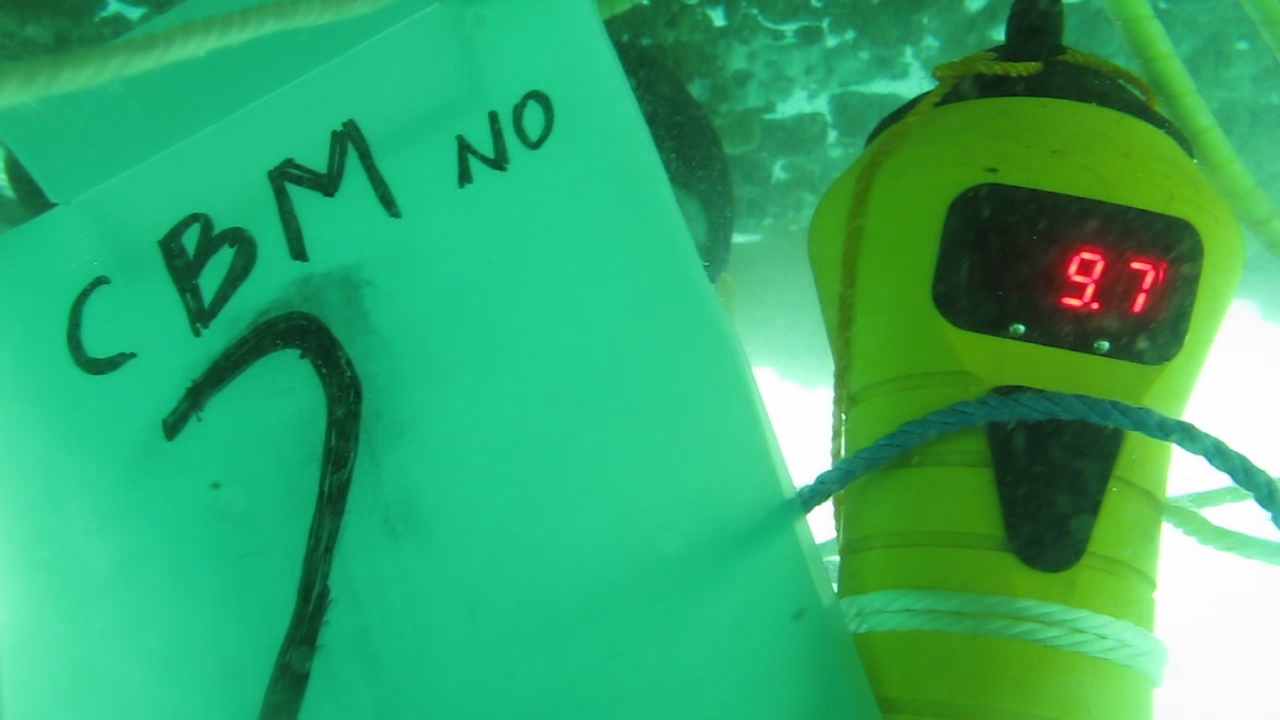
Cathodic Protection (Bathycorometer): Measures zinc or aluminum anodes using both underwater and above-water equipment (bathycorometer).
Visual Testing (VT): Conducted by divers using specialized equipment such as cameras or underwater robots to visually inspect the condition of structures.